Customer Relationship Management
Product-focused or customer-focused strategy? This question is critical for companies aiming to achieve their goals.
Cloud CRM, web-based CRM, online CRM — don't let various terms confuse you. They all refer to the same type of CRM software hosted in the cloud.

If you're reading this, you probably already know that CRM stands for Customer Relationship Management. The CRM concept is actually more than just an abbreviation or software that has become popular with technological advances. CRM is a system or a systematic approach. We can divide businesses into two categories: sales-oriented and market-oriented. If you're wondering which one your business is, look at which department determines your product or service prices. If the marketing department sets prices, you're probably a market-oriented company; if the sales department does, you're likely sales-oriented.
Sales-oriented companies focus on making large profits in the short term. They devote more effort to increasing sales than learning about product quality and customer expectations. They want to grow immediately and substantially. Market-oriented companies, on the other hand, focus on meeting customer needs and expectations, operating with a long-term customer retention strategy. Customer experiences, feedback, total customer satisfaction, loyalty, brand advocacy, and customer lifetime value are integral parts of their strategies.
For businesses that prioritize customers and want to keep their data recorded and ready to use at all times, CRM systems are essential. The most fundamental part of CRM systems has become CRM software, especially with the rapid advancement of technology. In the early 2000s, when internet and cloud technology hadn't developed this much, installation-based programs required large servers, server maintenance, updates, and backups. Today, with the tremendous development of cloud technology and security infrastructure, this software can be offered to businesses without installation. CRM software now operates 99% on a cloud-based model. Even very large global companies are migrating their systems to the cloud to eliminate installation and server costs. (For a line-by-line look at what those costs add up to, see our on-premise vs cloud CRM total cost comparison.)
Cloud CRM software, web-based CRM, cloud-based CRM, and online CRM — don't let these terms confuse you. They all refer to the same type of CRM software. If you want to invest in long-term customer experience and move toward becoming a lasting business, you need to know that using a cloud CRM program is no longer a luxury — it's a necessity.
You might say there are many businesses that don't use CRM software, especially SMBs. You're right. But we don't know what their future holds. It would be more appropriate to take businesses that have been using CRM software for years as examples. The right question is: which business would use an application that doesn't benefit them for years? According to one study, the average ROI for every $1 spent on CRM software is $8.71 (source: Nucleus Research). You can also find many articles about CRM programs increasing sales in a wide range from 40% to 200%.
If you decide to try a cloud CRM program after reading this article, you can try the cloud-based Planports CRM for free right away. Once we explain the benefits Planports CRM will provide, you'll understand much better why businesses use CRM software.
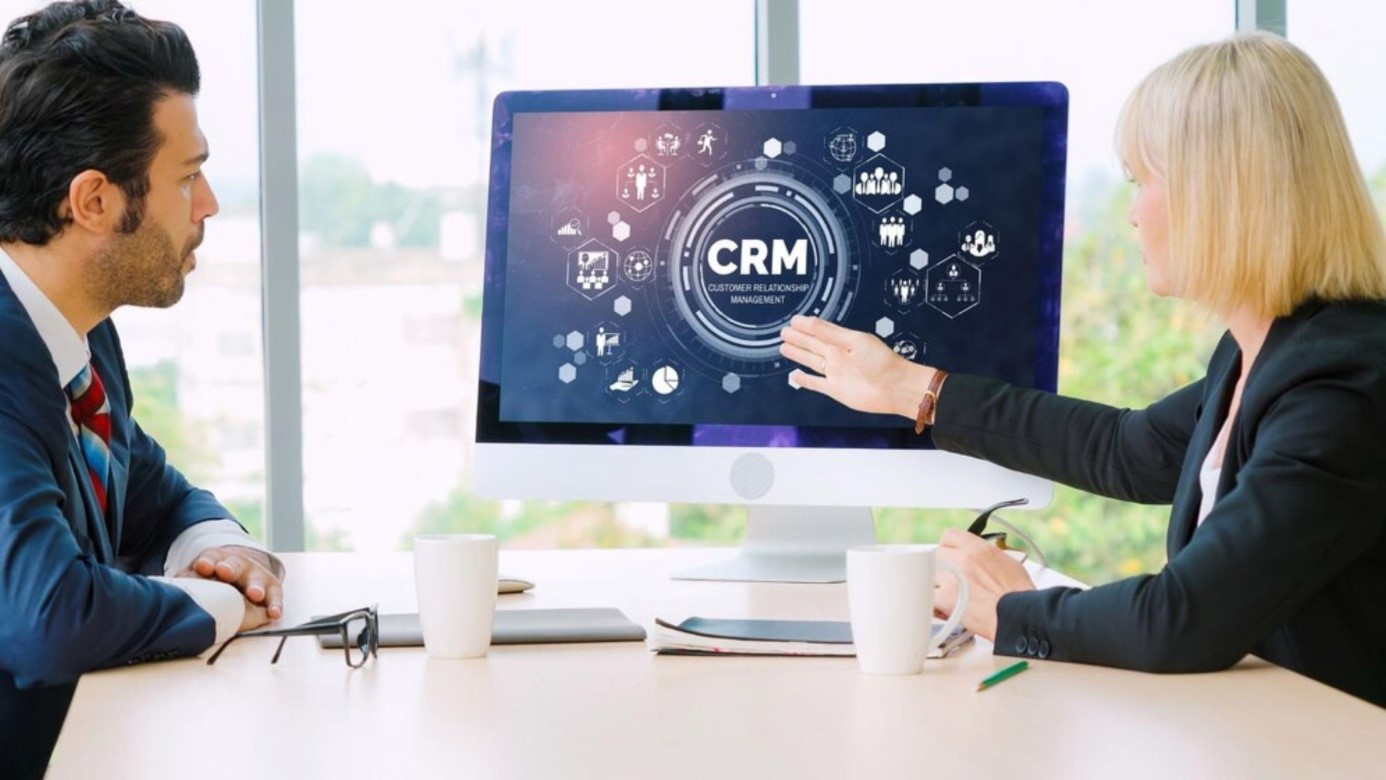
Product-focused or customer-focused strategy? This question is critical for companies aiming to achieve their goals.

Don't know what CRM stands for or why you need it? Don't worry — you're not alone.

CRM programs are among the most preferred tools for sales team management.